Teaching old trees a new trick
How an Ecologic mindset helped to create a sanctuary for native wildlife.
Sometimes, caring for a tree means knowing when to remove it. Other times, it means finding a way to repurpose the trees so they can continue playing their role in the ecosystem.
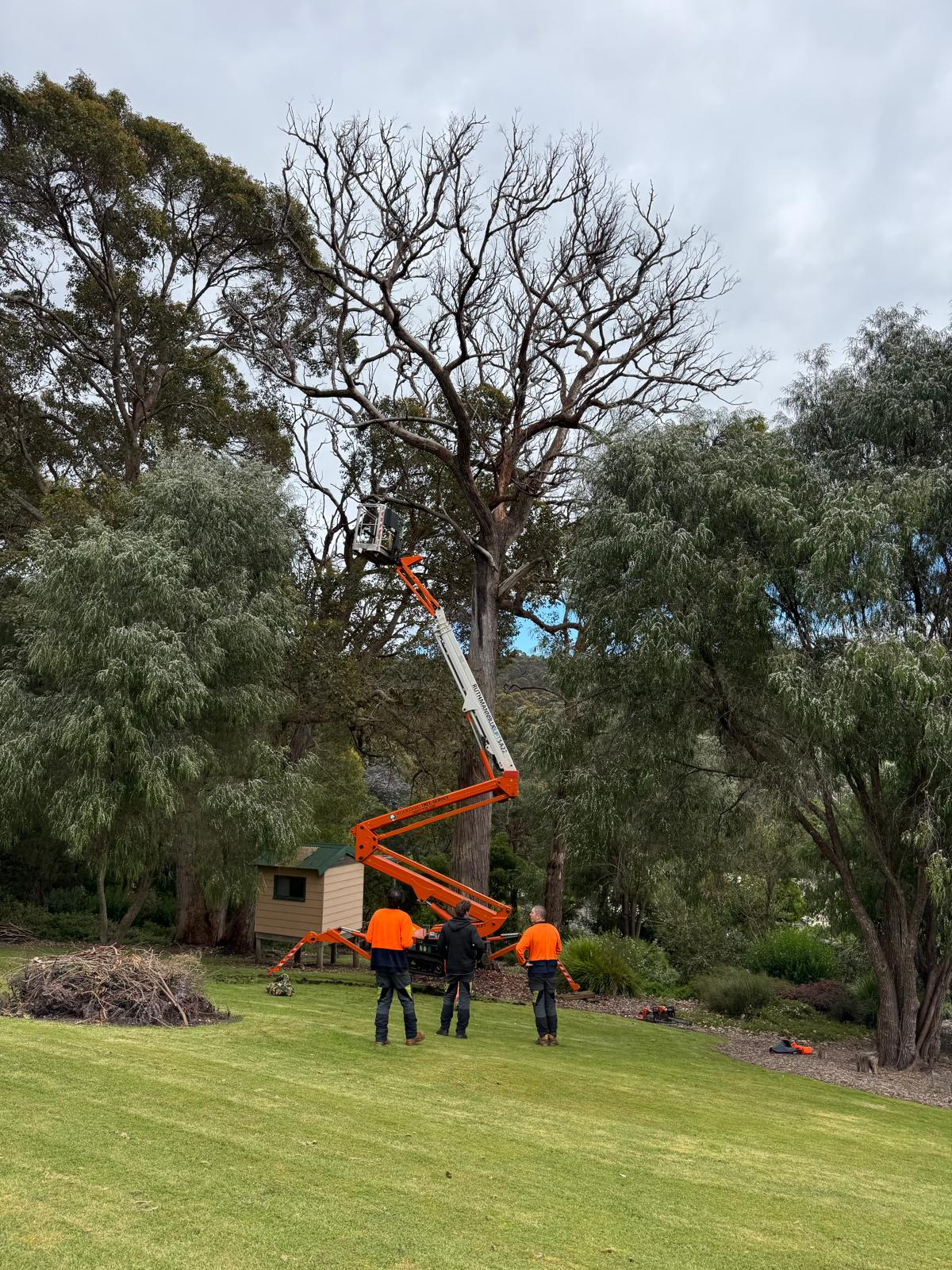
This is exactly what happened recently when the Ecologic Tree Service team were called out to look at two old Jarrah giants on a property in Denmark, Western Australia.
Both trees had sadly died from jarrah dieback, a serious environmental challenge across south-west Western Australia.
It’s commonly associated with Phytophthora cinnamomi, a microscopic, soil-borne water mould that attacks plant roots and can kill susceptible species, including jarrah.
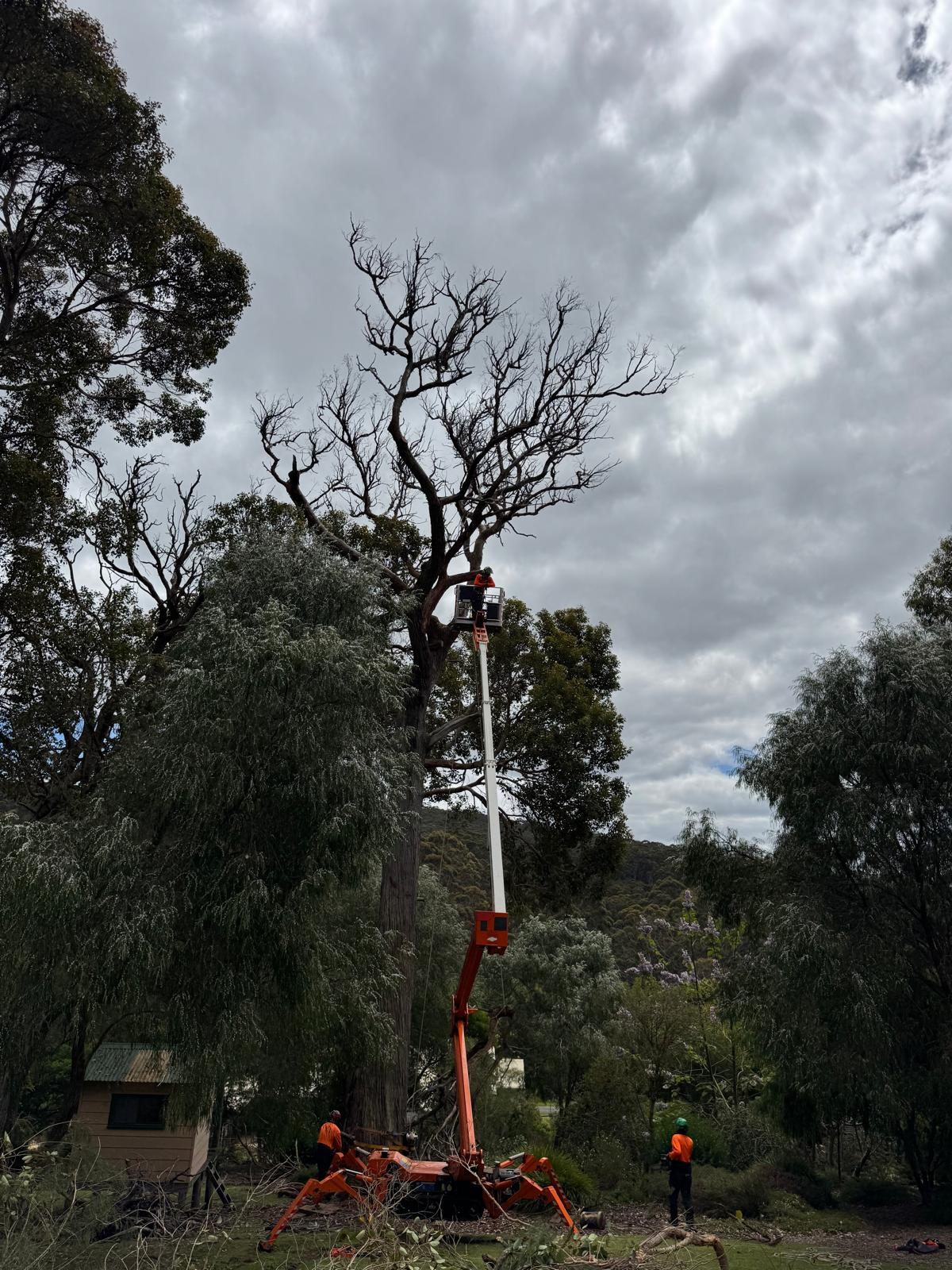
When a tree dies, the next steps need to be considered carefully. Dead trees can present significant hazards, particularly where large branches or sections of the canopy could fall near homes, accessways or areas used by people.
These two Jarrah trees are situated at Peace Hill, a beautiful property owned by two passionate gardeners and bird lovers for around 30 years who value living alongside their amazing natural environment.
When we arrived on site it wasn’t long before we realised the surrounding area was a busy corridor for birdlife, with cockatoos squawking overhead.
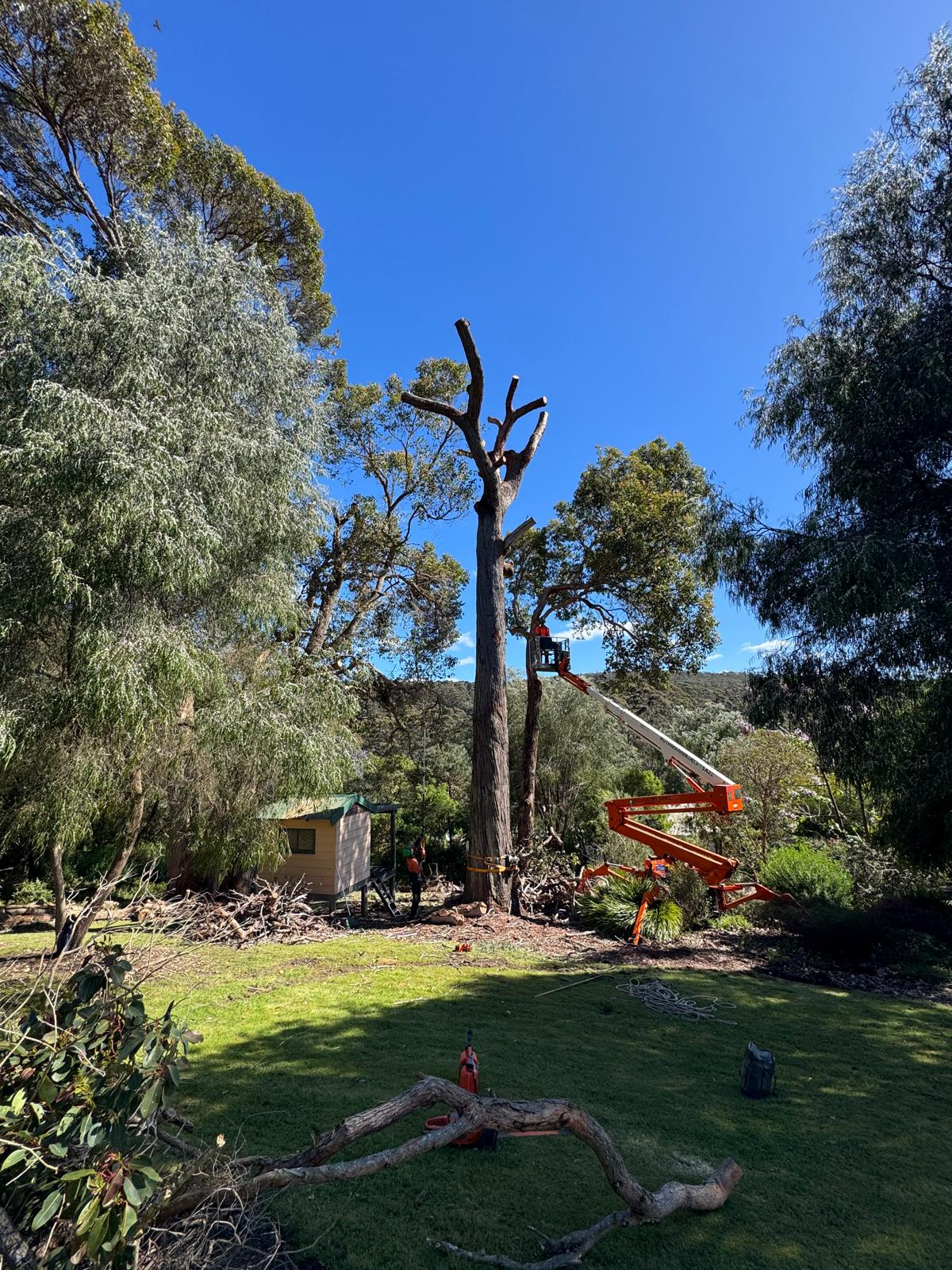
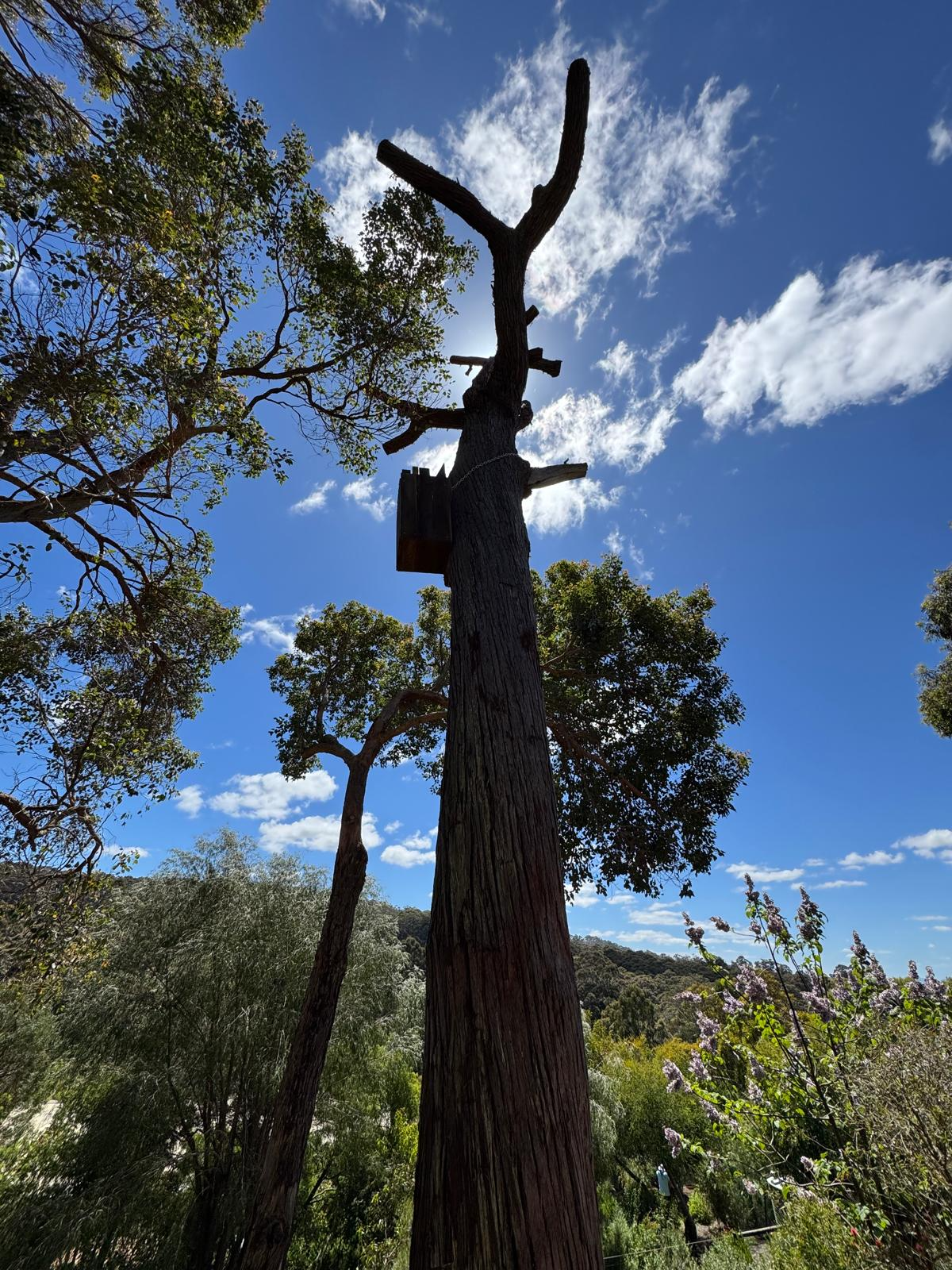
What was initially a discussion about removing the dead trees quickly turned into a conversation about how we could remove the hazardous canopy, before preserving the jarrah trees as part of the landscape with the addition of our purpose built habitat boxes.
For this project, the combination of considered tree management and our handmade habitat boxes allowed the property owners to make a practical decision that also reflected their love of the local environment and native wildlife.